
About Nevis
What is there to know about Nevis?
Country: Federation of St. Kitts and Nevis
Location: Eastern Caribbean, Leeward Islands
Island Size: Approximately 36 square miles (93 sq km)
Population: About 12,000 residents
Capital: Charlestown
Currency: Eastern Caribbean Dollar (XCD)
U.S. dollars are widely accepted
Credit cards accepted at most hotels, restaurants, and shops
Language: English
Time Zone: Atlantic Standard Time (AST), no daylight saving
Driving: Left-hand side; a local driving permit is required and easily obtained
Electricity: 110-230V, 60Hz. Amaranth Villa and others have 110V service and North American plugs. UK-style plugs are still found in older buildings.
Internet & Mobile Service: Very Reliable
Climate: Warm and tropical year-round
Average temperatures: 75–85°F (24–29°C)
Drier season: December–April
Greener/rainy season: May–November
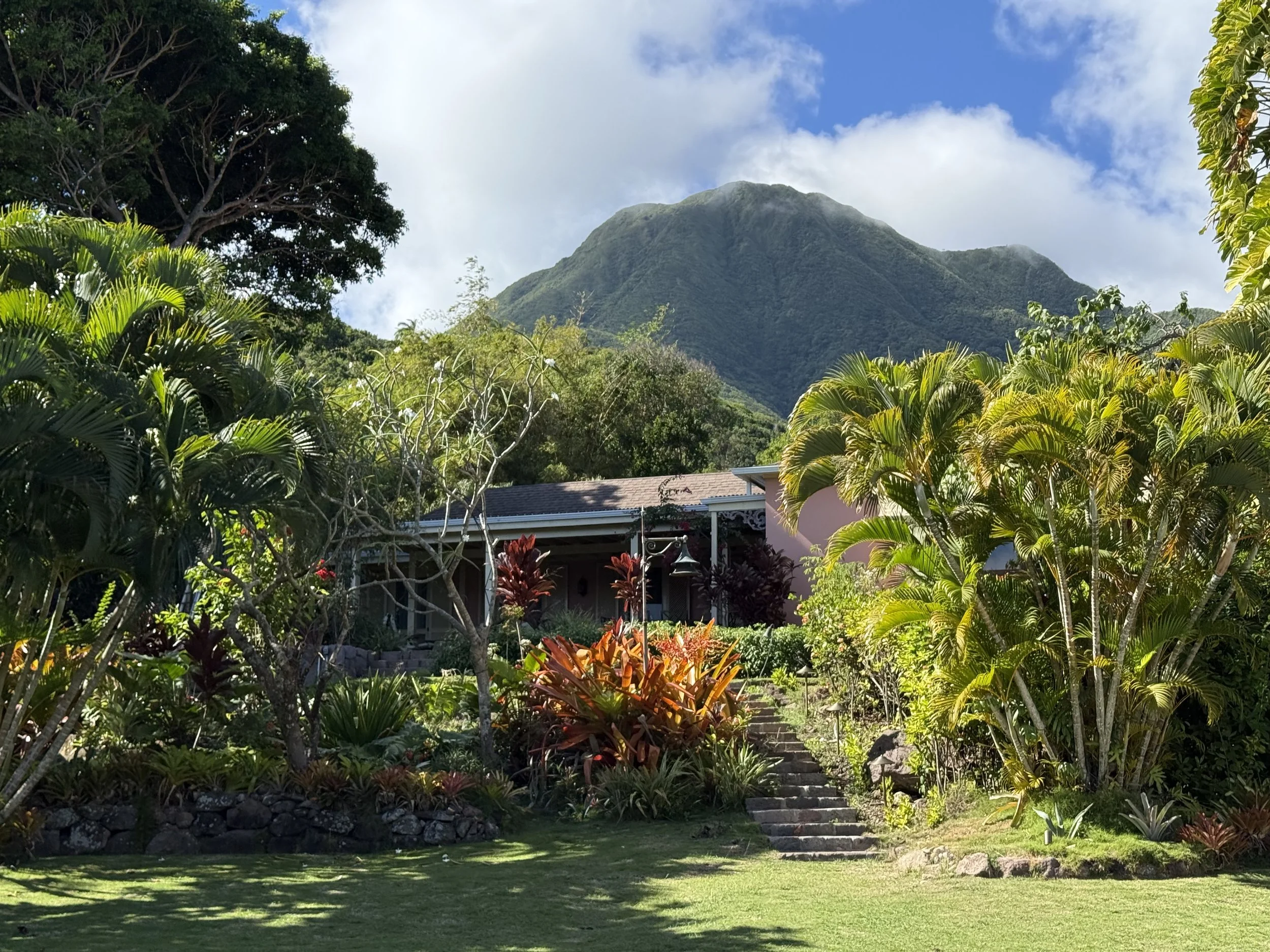
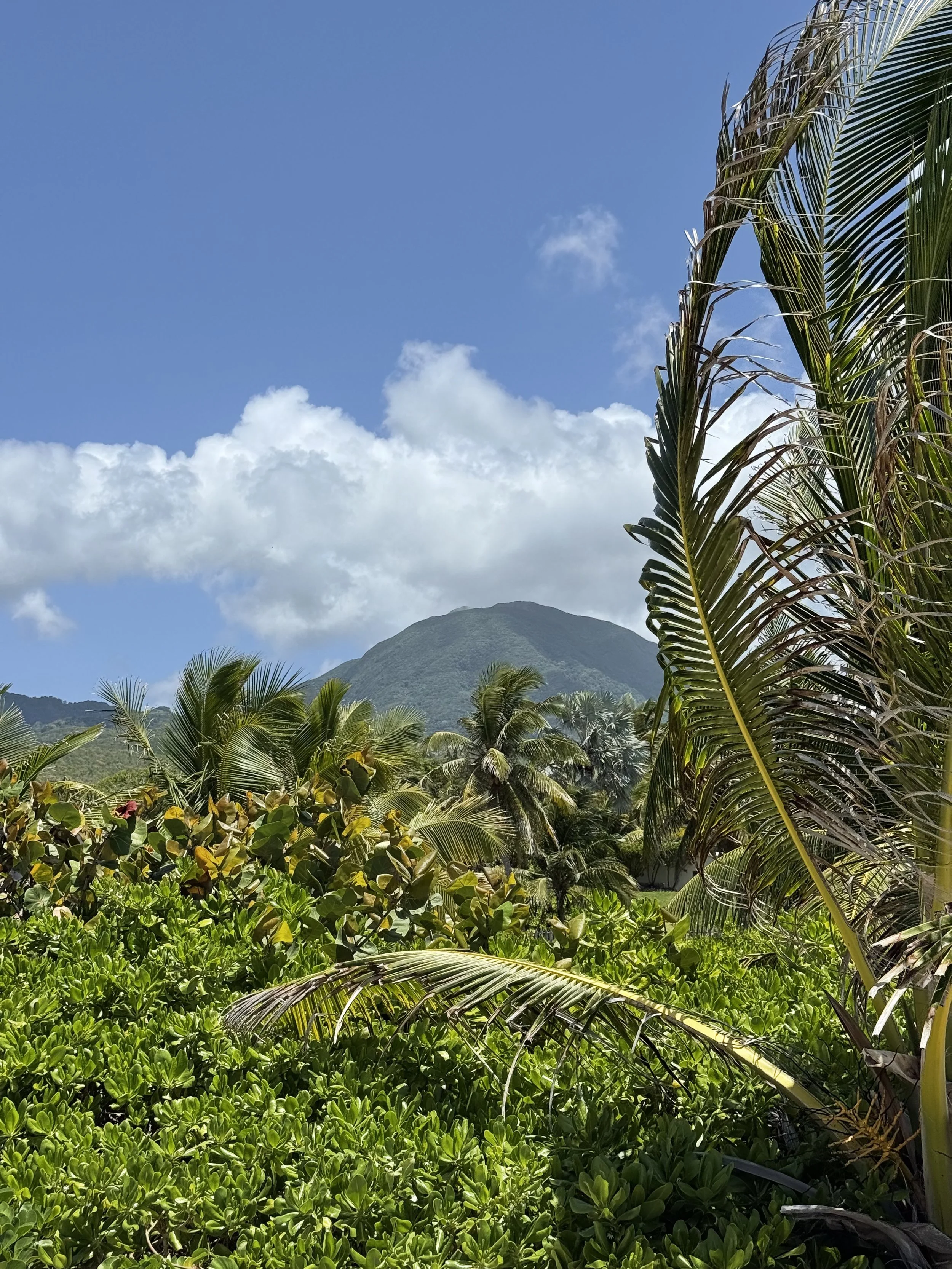
Nevis is a small, lush island in the Caribbean Sea, known for its natural beauty, relaxed pace, and warm sense of welcome. It forms part of the independent nation of St. Kitts and Nevis and lies in the Eastern Caribbean, southeast of Puerto Rico. Dominated by a dramatic volcanic peak at its center and ringed by beaches and coral reefs, Nevis feels quietly removed from the busier parts of the region, making it an appealing destination for travelers seeking calm, space, and authenticity.
The island has a rich and layered history shaped by indigenous peoples, European colonization, and the legacy of the sugar trade. Nevis was once one of the wealthiest colonies in the Caribbean, and traces of that past remain in the form of historic plantation houses, stone ruins, and old churches scattered across the landscape. It is also the birthplace of Alexander Hamilton, one of the founding figures of the United States, a fact that is still a point of local pride. Today, Nevis blends its history into everyday life rather than presenting it as a formal attraction, giving visitors a genuine sense of continuity between past and present.
Culturally, Nevis is deeply Caribbean but distinctively its own. Life moves at an unhurried pace, and visitors quickly notice the friendliness and openness of the people. Music, food, and storytelling are central to island life, and local traditions are still actively celebrated. Cricket matches, village festivals, and casual conversations are as much a part of the Nevis experience as the scenery. The island has retained a strong sense of identity, partly because it has developed more slowly and thoughtfully than many of its neighbors.
Nature plays a central role in daily life on Nevis. The beaches are uncrowded and varied, ranging from long stretches of soft sand to quieter coves. Inland, fertile soils support tropical vegetation, fruit trees, and rainforest, while the surrounding waters offer excellent swimming, snorkeling, and boating. The island’s compact size makes it easy to explore, whether on foot, by car, or by boat, and there is always something new to discover around the next bend in the road.
Nevis appeals to travelers who value beauty, simplicity, and a sense of place. It is not a destination defined by nightlife or large resorts, but by its landscape, its people, and its atmosphere. For those who may be new to the Caribbean, Nevis offers an inviting introduction: safe, accessible, and deeply rewarding, with a character that encourages visitors to slow down, look around, and truly enjoy where they are.
Getting to Nevis
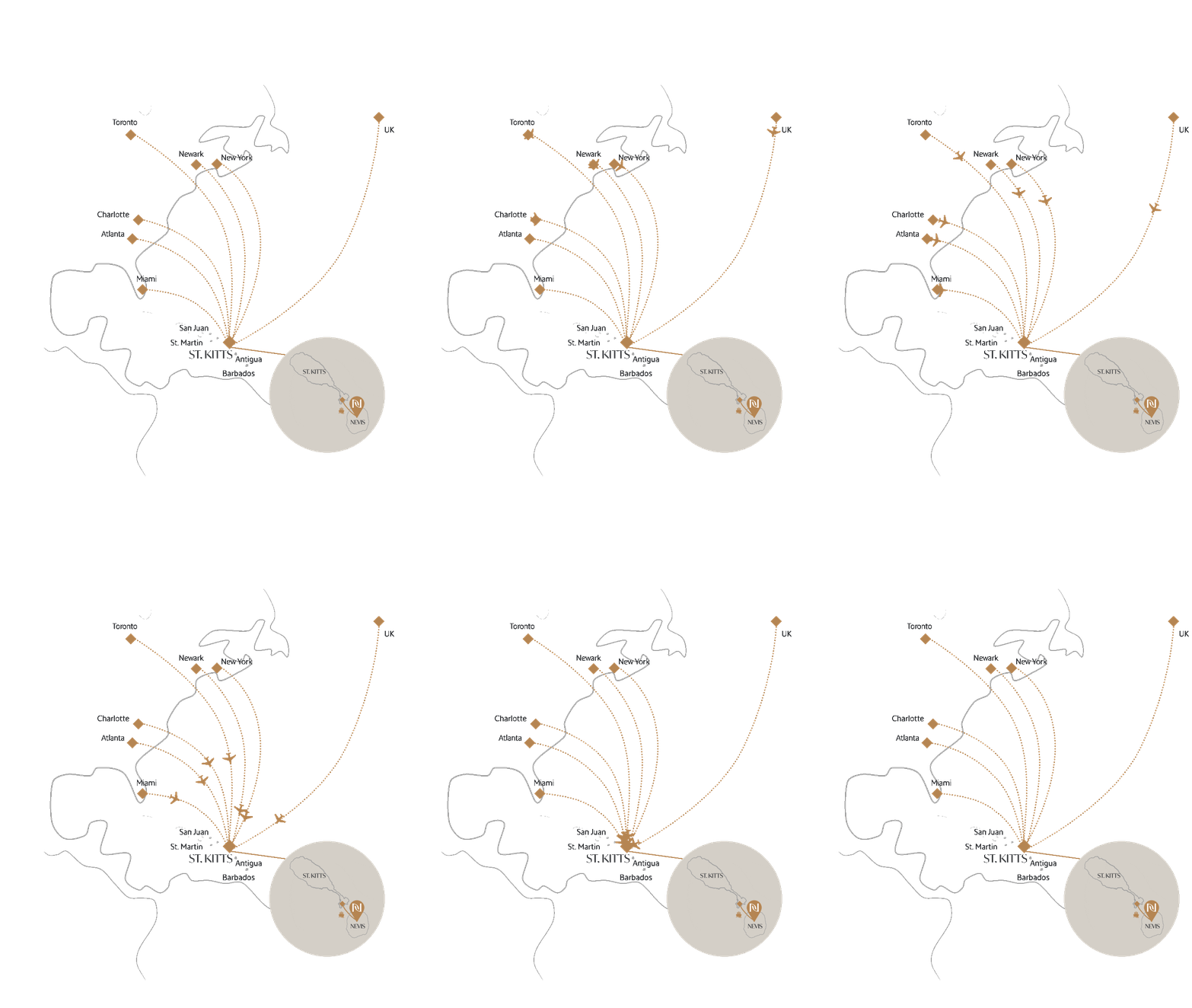
Nevis is increasingly easy to reach, while still offering the rewarding sense of arrival that makes the island so distinctive. Nevis’s own Vance W. Amory International Airport (NEV) currently serves regional aircraft, and an expansion is underway that will allow larger planes to land in the future. For now, most international visitors arrive via St. Kitts (SKB), just a short and beautiful trip away.
The primary international gateway is Robert L. Bradshaw International Airport (SKB) on St. Kitts, which has excellent air connections from major North American and European hubs. From St. Kitts, we strongly recommend transferring to Nevis by water taxi via Islander Water Sports or Blue Waves, which departs from Reggae Beach and arrives directly at Oualie Beach on Nevis. The crossing takes only a few minutes, is flexible, and provides a relaxed and scenic start to your stay.
Air Service to St. Kitts
Flight schedules vary by season, but typical service includes:
United States
American Airlines: Daily or twice-daily flights from Miami, with additional seasonal service from Charlotte and New York
JetBlue: Nonstop service from New York (JFK), generally year-round
Delta Air Lines: Seasonal nonstop service from New York (JFK)
Canada
Air Canada: Weekly nonstop flights from Toronto (YYZ) during the winter/high season
United Kingdom
British Airways: Twice-weekly flights from London Gatwick (LGW) with short stop in nearby Antigua (ANU) operating seasonally
Caribbean Connections
Frequent regional flights via hubs such as Antigua, St. Maarten, and San Juan, Puerto Rico
Some regional services land directly on Nevis, depending on routing and season
While reaching Nevis requires one extra step, it is precisely this gentle separation that has helped the island remain calm, uncrowded, and beautifully unspoiled — and most visitors agree the journey is well worth it.
Car Rentals
Amaranth is only accessible by taxi or car. Renting a car is easy and driving around the island is an adventure, but not threatening.
The island is small and fun to explore. Traffic moves slowly and you will need to be prepared to share the road with Nevesian goats and donkeys. And always remember, we drive on the left in Nevis!
We recommend Nevis Auto Rental to all of our guests. Their reasonable rates include delivery of the vehicle to the Amaranth Villa and a complementary taxi pickup once you reach Nevis.